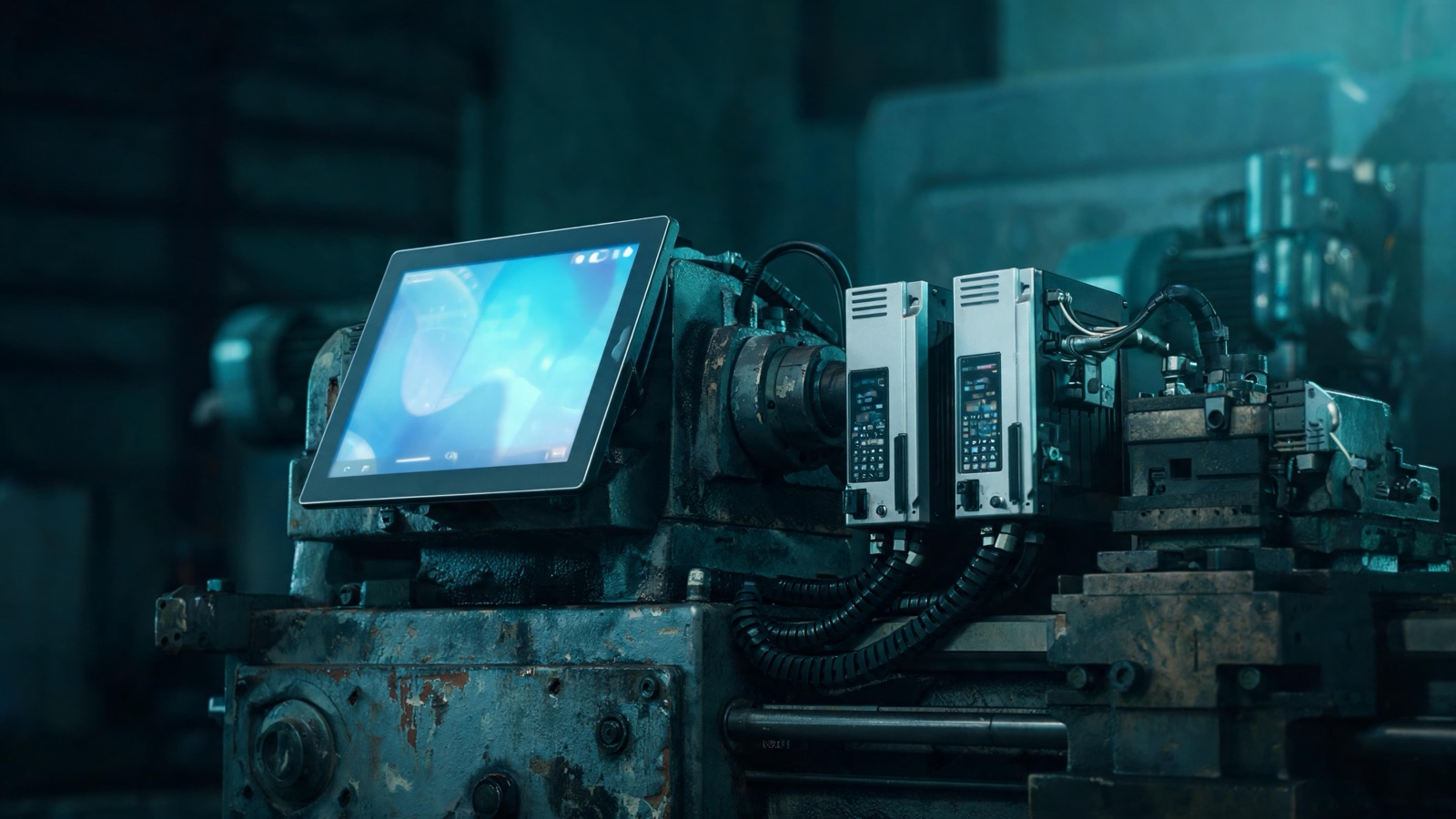
Darioo Industrial / Line 03
Machine Retrofits, Upgrades & Modernization
One team migrates obsolete controls, upgrades motion, and rebuilds your documentation, so a machine with a sound frame keeps earning instead of getting scrapped.
Overview
Your machine is not dead. Its controls are.
Every plant has one: the machine that still holds tolerance and still pays for itself every shift, except the PLC hit end of life years ago, the drive is a part number nobody stocks anymore, and the one technician who understood the wiring retired. The mechanics are fine. The controls are the problem, and that is a different fix than a new machine.
Darioo Industrial retrofits and modernizes production equipment out of Charlotte, NC: migrating obsolete PLCs, drives, and HMIs to current platforms, upgrading motion from pneumatic or open-loop to servo where it earns its keep, updating guarding and safety circuits to current practice, and rebuilding the schematics and documentation that got lost somewhere over the years. We are ISO 9001:2015 certified and have been doing this kind of work for over 10 years.
The other question every retrofit answers is whether it should happen at all. We assess the frame, the mechanics, and your process before we recommend anything, and we tell you straight when replacement makes more sense than modernization. When retrofit is the right call, the same team that designs the upgrade also builds the panel, writes the PLC code, installs it, and stages the cutover around a planned outage so your floor loses hours, not days.
- Obsolete PLC and drive migration
- Servo and motion control upgrades
- Guarding and safety compliance updates
- Electrical documentation recovery
The problem
The machine still runs. The support behind it is gone
The builder that made your machine is out of business, or moved on from the platform your controls run on. Calls to the number on the panel go to a distributor who has never seen this model, or nowhere at all. The machine has not stopped working. The world that used to support it has.
So the workarounds start. A shoebox of pulled parts becomes the spare parts strategy. Someone bids on a used PLC on an auction site and hopes it is not dead on arrival. Prices on the parts you can still find climb every year, because fewer people make them and more people need them. And the one technician who actually understood the wiring, who could trace a fault from memory, retired a while back and took the knowledge with him. What is left on paper does not match what is actually bolted to the machine.
Every quarter that goes by, the downtime risk gets a little worse, because the next failure might be the part nobody can find. So you get a quote for a replacement machine, and the number lands somewhere north of what the budget can absorb this year, maybe next year either. That leaves you stuck between running scared on a machine you cannot afford to lose and buying new equipment you cannot afford to buy. A retrofit is the option in between, and for a lot of machines it is the better answer, not just the cheaper one.
Read the signs
Your machine is a retrofit candidate if
- The frame and mechanics are still sound, and the problem lives in the controls
- The PLC, drive, or HMI is obsolete, discontinued, or no longer supported by anyone
- Spare parts are getting scarce, expensive, or you are sourcing them from auction listings
- No documentation is left, or what you have does not match the machine anymore
- The guarding and safety circuits were never brought up to current practice
- Quality has started drifting because of worn or aging motion components
- A replacement machine quote came back well past what the budget can absorb
What you get
Everything this line covers, delivered by one team.
Retrofit assessment
An on-site review of the mechanics, controls, and safety systems, with an honest read on retrofit versus replace.
PLC, drive, and HMI migration
Obsolete controls moved to current platforms, with logic ported, cleaned up, and documented as it goes in.
Servo and motion upgrades
Pneumatic or open-loop axes converted to servo motion where it improves rate, repeatability, or part quality.
Guarding and safety compliance
Guarding, interlocks, and safety circuits brought up to current practice around the machine you already own.
Electrical documentation recovery
As-built schematics, panel layouts, and a spare parts list redrawn from the actual machine, not a decades-old print.
Panel rebuild or upgrade
A new or reworked control panel wired and labeled to current standards, built by the team that will service it.
Cutover planning and install
A staged installation plan built around your production schedule, so the changeover happens in a planned window.
Post-retrofit support
Operator training, startup support, and access to our field engineering line once the machine is back running.
Send a few photos of the machine and the panel
That is usually enough for a straight retrofit-or-replace read before you commit to either one.
How this line runs
From first call to running on your floor.
Retrofit assessment
We walk the machine on your floor and look at the frame, mechanics, controls, and safety systems, then give you a straight read on whether retrofit makes sense or replacement is the better call.
Scope and quote
A written scope defines exactly what gets migrated, upgraded, and documented, with a fixed quote built against that scope, not a guess.
Engineering and documentation rebuild
We trace the existing wiring and logic, rebuild the schematics in SolidWorks and standard electrical documentation, and design the upgraded controls architecture before anything gets ordered.
Panel and controls build off-line
The new or reworked panel gets built and the PLC and HMI programmed in our Charlotte shop while your machine keeps running its normal schedule.
Planned cutover window
Installation happens in a scheduled shutdown window, not an open-ended one, because the build work is already done before your machine goes down.
Startup support and training
We start the machine up, work through the first-run issues on the spot, train your operators on the new controls, and stay reachable through our field engineering line after that.
Where this fits
Applications and industries we build for.
- Legacy CNC and machine tools
- Assembly and test stations built decades ago
- Conveyor and material handling systems
- Press and forming stations
- Packaging and end-of-line equipment
- Machines running discontinued PLC or drive platforms
- Equipment inherited through plant acquisition or consolidation
- Machines the original builder no longer supports
- Consumer products manufacturing lines
- Automotive and mobility supplier equipment
- Food and beverage processing lines
- Building products and textile machinery
What a machine retrofit includes
Retrofit is not one thing. It is whichever combination of upgrades gets your machine back to reliable, supportable, and safe, without touching the parts that still work. Most projects include some mix of PLC, drive, and HMI migration to a current platform, servo conversion on axes that were pneumatic or open-loop, guarding and safety circuit upgrades, and a full documentation rebuild so the next person who opens the panel is not starting from zero.
What a specific machine needs depends on what is actually wrong with it. A press with worn tooling and a dead PLC needs a different scope than a conveyor system with intact mechanics and no safety documentation. The assessment is what sorts that out, so you are not paying to upgrade something that was never the problem.
- PLC, drive, and HMI migration to current platforms
- Servo conversion on axes that need better rate or repeatability
- Guarding and safety circuit upgrades
- Full electrical documentation rebuild
Control system modernization in Charlotte, NC
Darioo Industrial does control system modernization out of Charlotte, North Carolina, under one roof and one ISO 9001:2015 quality system. The same team that assesses your machine also designs the new controls architecture, builds the panel, writes the PLC and HMI programs, installs the upgrade, and supports it afterward. Nothing gets handed off between separate shops along the way.
Manufacturers across the Carolinas and the wider Southeast bring us machines that need modernizing, and our field engineering team travels to support installs and follow-up work beyond Charlotte itself. If your plant has a machine running controls that nobody makes anymore, that is a conversation worth having before the next failure forces it.
Obsolete PLC and drive migration
End-of-life controllers are the most common reason a machine ends up on our schedule. The PLC platform got discontinued, the drive is a part number that has not been manufactured in years, or the HMI runs on hardware that cannot be replaced anymore. None of that means the machine is done. It means the logic and control architecture need to move to something current.
Migration planning is what keeps that move from turning into extended downtime. We port and clean up the existing logic, build and program the new panel off-line while your machine keeps running, and test everything we can test before the cutover window opens. The goal is a changeover measured in hours on a planned shutdown, not an open-ended outage while we figure things out on the fly.
Safety and guarding upgrades on legacy machines
A lot of older machines were built to the safety practice of the decade they were built in, not the one your plant runs under now. That is not a knock on the machine. It is just how equipment ages. Bringing guarding, interlocks, and safety circuits up to current practice is honest work, and we tell you plainly where a machine stands before we start, rather than assuming it already meets a standard it does not.
Safety upgrades get scoped the same way as the controls work: assessed first, quoted against a written scope, and built to fit the machine you actually have rather than a generic kit. The goal is a machine your operators can run with the guarding and interlocks doing the job they are supposed to do.
Budget honesty
What actually drives retrofit cost
Retrofit pricing depends on what the assessment finds, not on the age of the machine or how it looks. These are the factors that move the number, so you know what you are actually paying for before the quote lands.
I/O count and controls complexity
A machine with a handful of inputs and outputs migrates faster than one with dozens of sensors, interlocks, and networked devices tied into the logic.
Motion axes converted to servo
Each pneumatic or open-loop axis moved to servo adds a drive, wiring, and programming time. Not every axis needs the conversion to get the result you are after.
Mechanical refurbishment scope
Controls are usually the trigger, but worn bearings, ways, or drive components found during assessment add scope of their own.
Documentation condition
A machine with accurate prints costs less to migrate than one where the schematics have to be traced and rebuilt from scratch.
Cutover window constraints
A tight shutdown window that has to hold no matter what costs more to plan around than a flexible one.
Safety scope
Guarding, interlocks, and safety-rated controls scale with how close operators work to the machine, and are not a place to cut corners.
Side by side
Retrofit vs replace at a glance
Both are legitimate answers. Which one is right depends on the condition of your machine and how tight your schedule and budget actually are.
| Retrofit | Replace | |
|---|---|---|
| Upfront cost | Typically a fraction of a comparable new machine | Full cost of a new machine, plus the quoted extras |
| Downtime for changeover | Hours to days, staged around a planned shutdown | Weeks to months for design, build, and installation |
| Operator retraining | Light. Layout and mechanics stay familiar, controls are new | Heavier. A new machine often means new operation top to bottom |
| Spare parts availability after | Current platform parts, sourced through normal channels | New machine, new parts list, typically supported for years |
| Fit to your current process | Matches the frame and process you already built around it | Chance to redesign the process, if that is actually the goal |
| When it is the wrong call | When the frame or mechanics are worn out underneath the controls | When the job has not changed and the mechanics are sound |
Line 03 questions
Asked on almost every retrofits & upgrades call.
How do we know if a machine is a good retrofit candidate?
A good candidate has a mechanically sound frame and obsolete or unreliable controls. If the structure is worn out or your process has changed enough that the machine no longer fits the job, replacement is usually the better answer. We do an assessment first and tell you which situation you are in before we recommend anything.
How long does a controls migration take?
It depends on the machine, how much of the logic needs to be rebuilt versus ported, and how much documentation already exists. What stays constant is the plan: we do the design, panel build, and programming ahead of time, then stage the actual cutover around a planned shutdown window so your line is down for hours, not weeks.
Our machine has no documentation left. Can you still work on it?
Yes. Missing or outdated documentation is one of the most common reasons plants call us. We trace the existing wiring and logic, rebuild the schematics and panel layout from what is actually on the machine, and hand you a documentation package your team can use going forward.
Is a retrofit actually cheaper than buying a new machine?
Most of the time, yes, retrofits cost a fraction of a comparable new machine, but the real number depends on the scope: how much of the controls, motion, and guarding needs to change. We quote after the assessment so you are comparing real numbers instead of a rule of thumb.
Can you do the retrofit during a planned shutdown?
Yes, and that is how most of our retrofits happen. We do the assessment, engineering, and panel build ahead of time while your machine keeps running, then stage the actual cutover for a shutdown window you already have scheduled, so the changeover itself takes hours or days instead of weeks.
What happens to our old programs and logic?
We do not throw it away. The existing PLC logic gets traced and ported to the new platform, cleaned up along the way, and documented so it makes sense to whoever opens the panel next. If part of the logic was solving a problem that no longer applies, we will tell you before we carry it forward.
Do you retrofit machines from builders that no longer exist?
That is a large share of the work we do. The original builder being gone does not change what is bolted to your floor. We assess the machine on its own mechanics and controls, not on whether the OEM is still around to back it.
Will operators need retraining after the retrofit?
Some, but usually not much. The frame, layout, and mechanics stay the same, so the muscle memory your operators already have carries over. What changes is the HMI screen and how they interact with the controls, and we train through that with your team as part of startup.
Related lines
Often scoped together with this work.
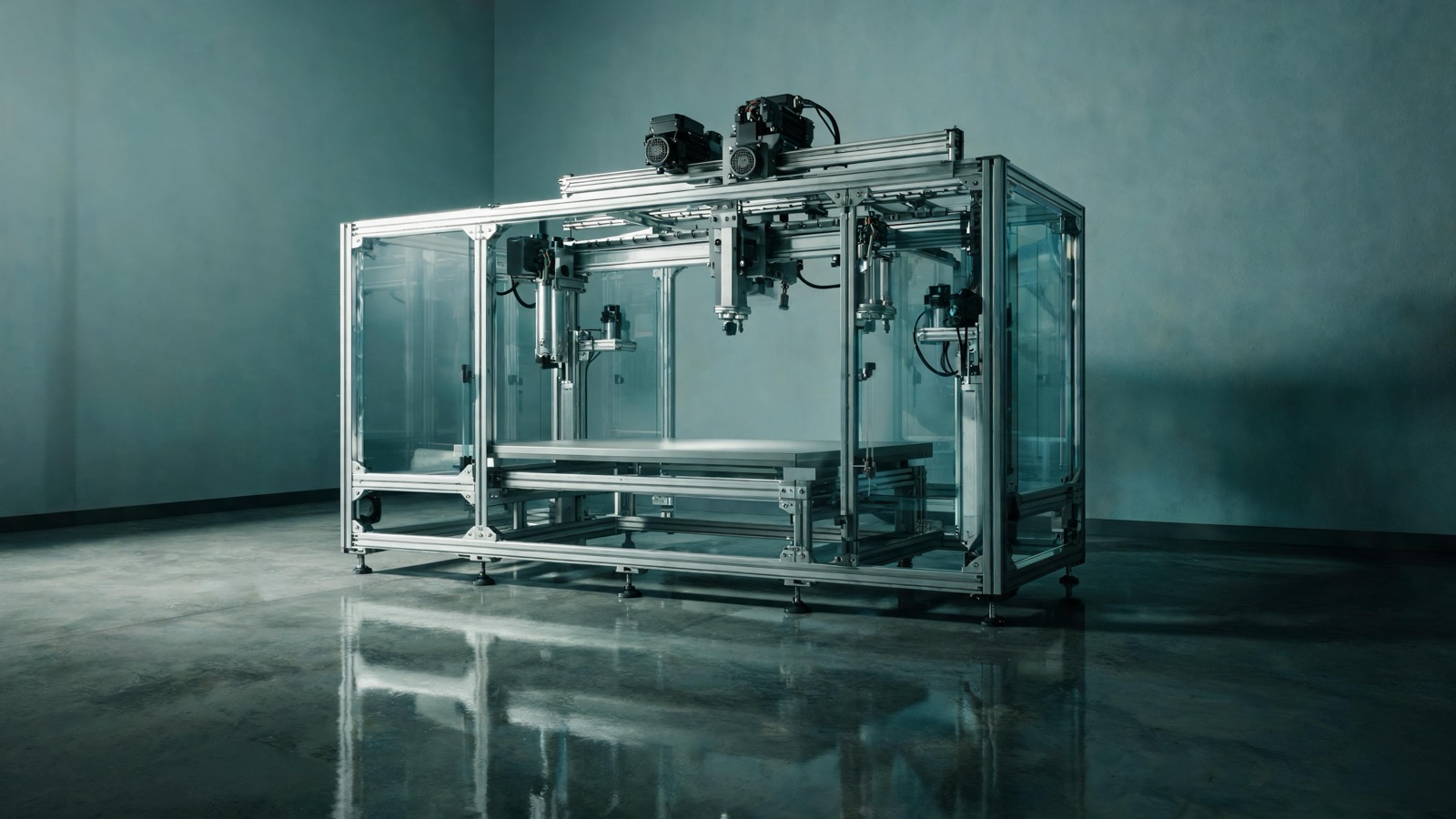
Custom Machine Design & Build
Machines nobody sells, built for the job only you have.
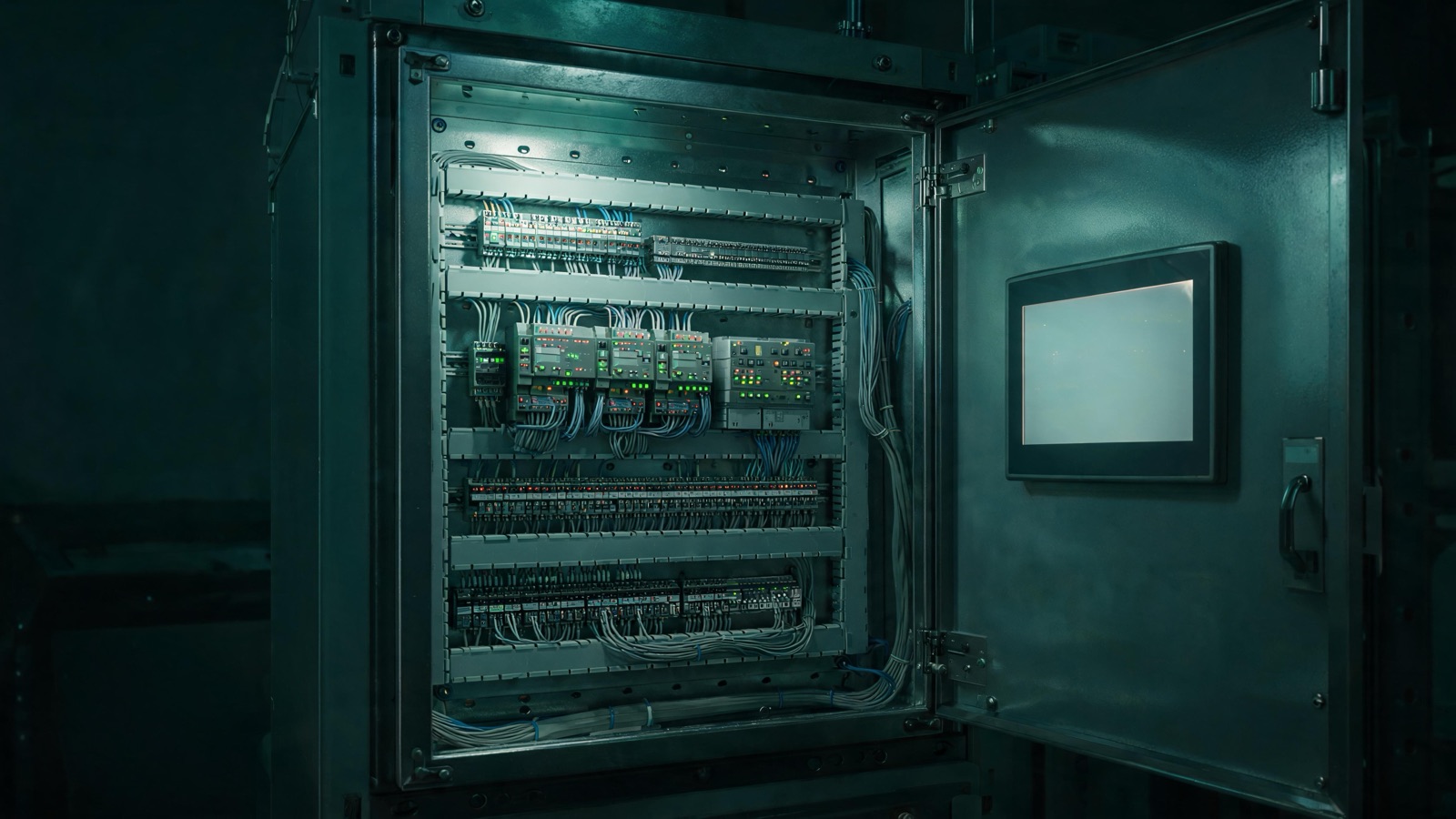
Industrial Control Panel Design & Build, PLC & HMI Programming
Panels wired like we have to service them. Because we do.
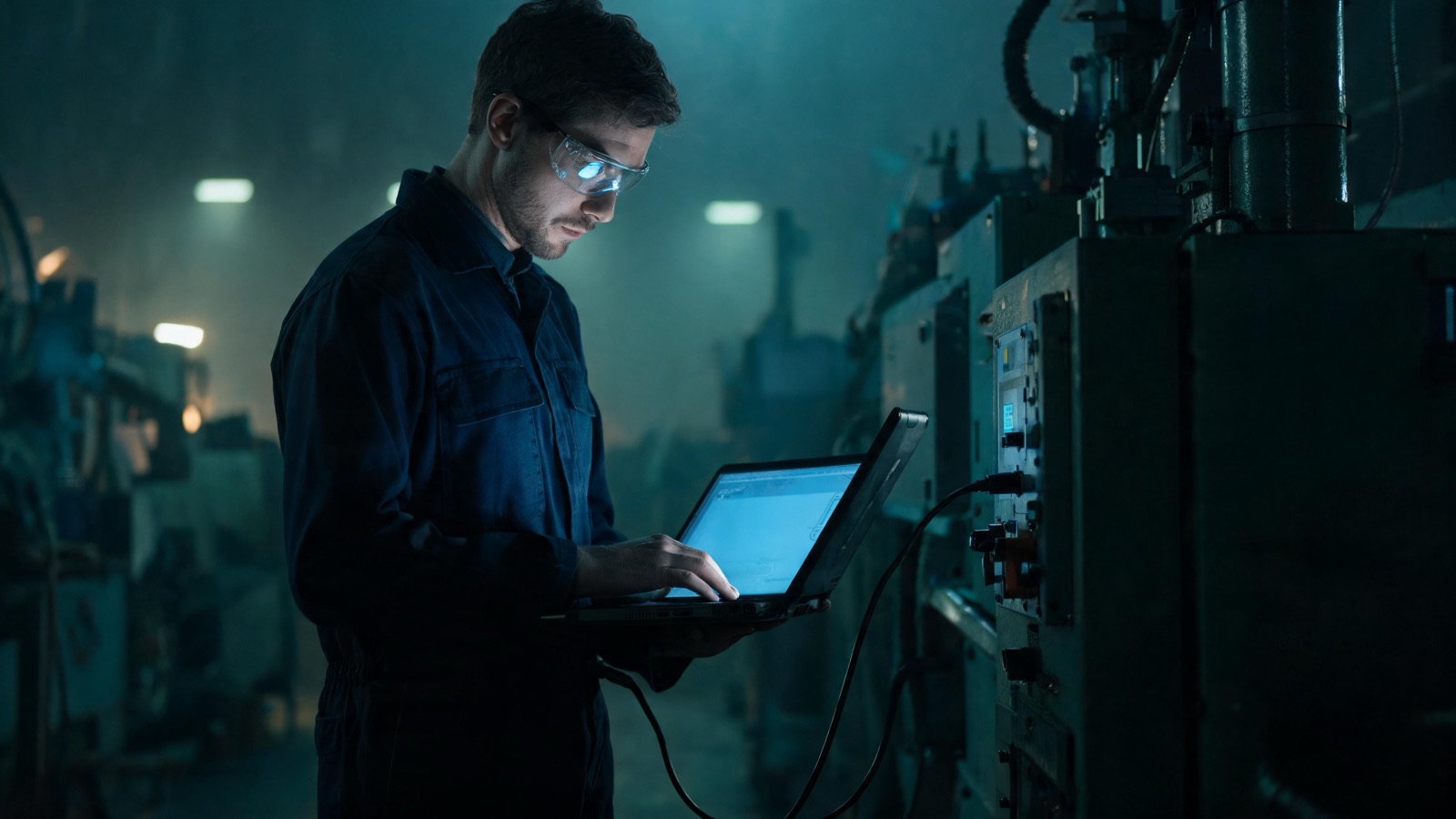
Field Engineering & Industrial Maintenance
We do not disappear after commissioning.
Start here
Talk to an engineer about line 03.
Send the part, the problem, or the machine that is fighting you. We will tell you straight whether this line is the right fix.